 Fresh Self-Care
 Fresh Home Finds
 Everyday Tech
 Safe Home Essentials
 Road & Go
 Happy Pet Care
 Learn & Stay Secure
 Instant eGift Cards
Hard freezes do not happen every winter in the Houston area, but when they do, homes that were built for heat are put to the test. People reach for space heaters, fireplaces and generators all at once, and that is when fire and carbon monoxide risks rise. Work through this checklist before the next cold front.
1. Test every alarm
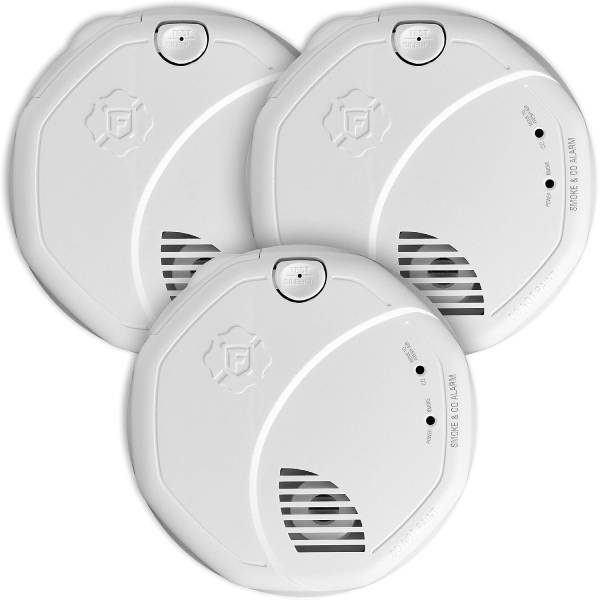
Press the test button on every smoke and carbon monoxide alarm. If yours are more than ten years old or you do not have CO alarms, replace them. A three-pack of combination alarms covers each level of most homes. Place them outside sleeping areas.
2. Use space heaters the safe way
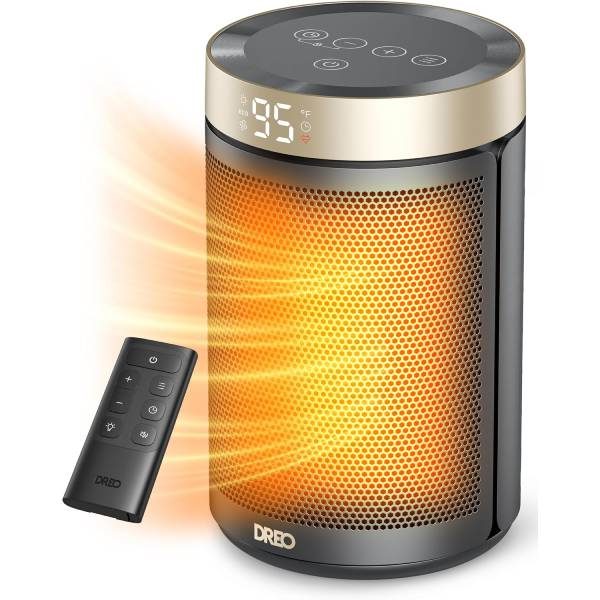
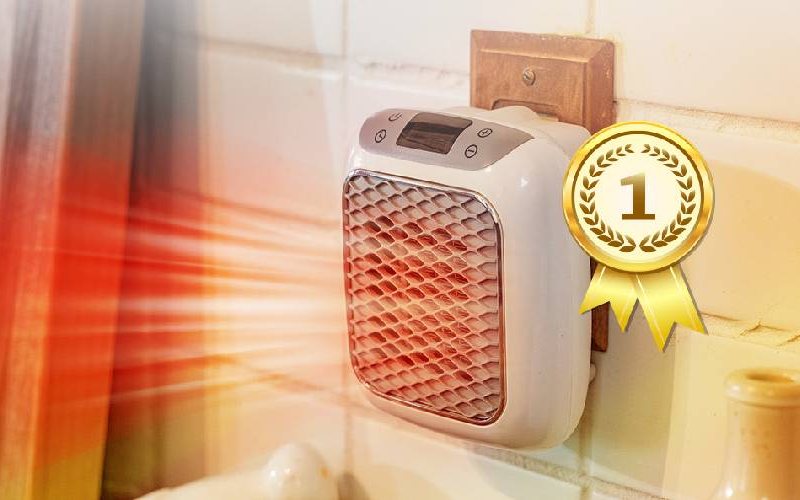
- Choose a heater with tip-over and overheat shutoff, like our compact ceramic heater.
- Plug it straight into a wall outlet, never into an extension cord or power strip.
- Keep it at least three feet from beds, curtains and furniture.
- Turn it off when you leave the room or go to sleep.
3. Keep generators outside
Run generators outdoors only, well away from doors, windows and vents. Never use one in a garage, even with the door open. Carbon monoxide has no smell, which is why working CO alarms matter so much.
4. Watch your wiring
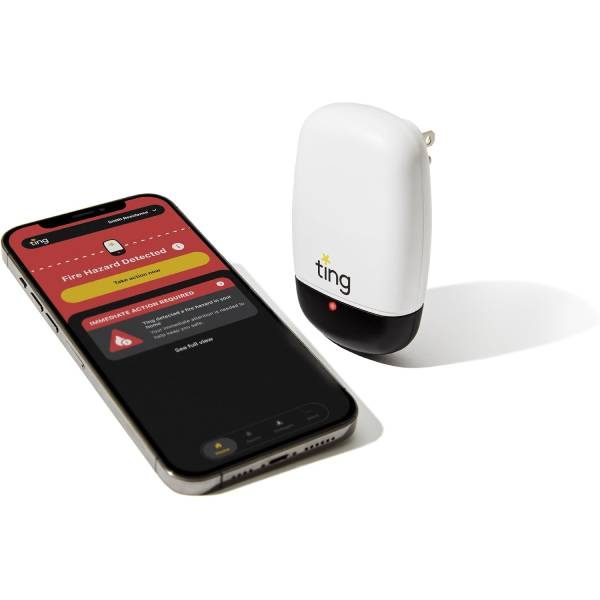
Heaters and appliances working hard can stress older wiring. A Ting sensor plugs into one outlet and alerts you to electrical arcing that can come before a fire.
5. Have a plan for small fires
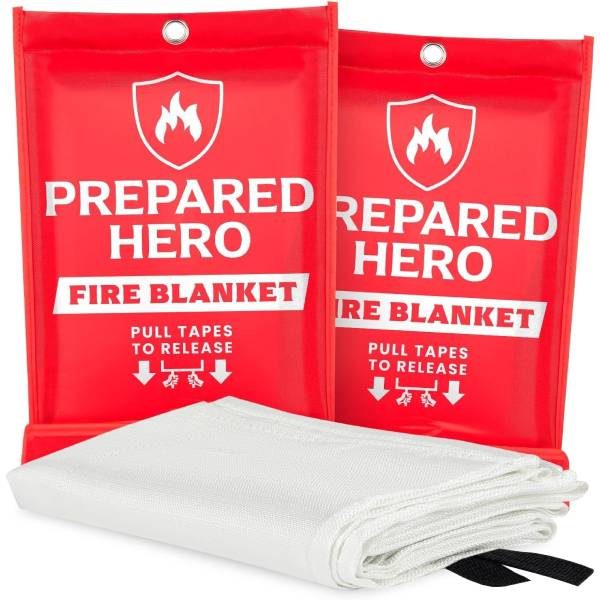
Hang a fire blanket near the kitchen on a wall hook where everyone can reach it. If a fire is larger than a wastebasket, get out and call 911.
6. Practice your way out
Agree on two ways out of every room and a meeting spot outside. Upstairs bedrooms should have an escape ladder stored nearby. Practice with the whole family at least twice a year.
This guide is general information, not professional advice. Always follow local emergency instructions and the manufacturer's directions for any product.